
 Image 1 of 1
We offer mechanized invasive plant control using excavators to uproot and dispose of the whole plant. It’s an effective herbicide-free strategy for restoring native habitat by removing woody invasive plants. By excavating entire root crowns and larger lateral rhizomes rather than simply cutting stems, machinery prevents rapid resprouting and reduces the seed bank inputs that perpetuate invasions; care in operator technique and machine selection minimizes soil disturbance and compaction.
Invasive plants like Japanese Barberry, Multiflora Rose, and Oriental Bittersweet create dense, humid microhabitats that support high tick populations. Removing these invasive’s reduces shelter and debris where ticks quest, lowers rodent hosts that carry pathogens, and helps native vegetation recover—restoring a drier, less hospitable environment for ticks. Eliminating invasive plants is a proactive, landscape-scale step to reduce tick exposure while supporting ecosystem health.
It is important to understand with mechanized removal follow-up monitoring for missed roots or resprouts is essential to achieve successful restoration outcomes without chemical inputs.
Targeted species:
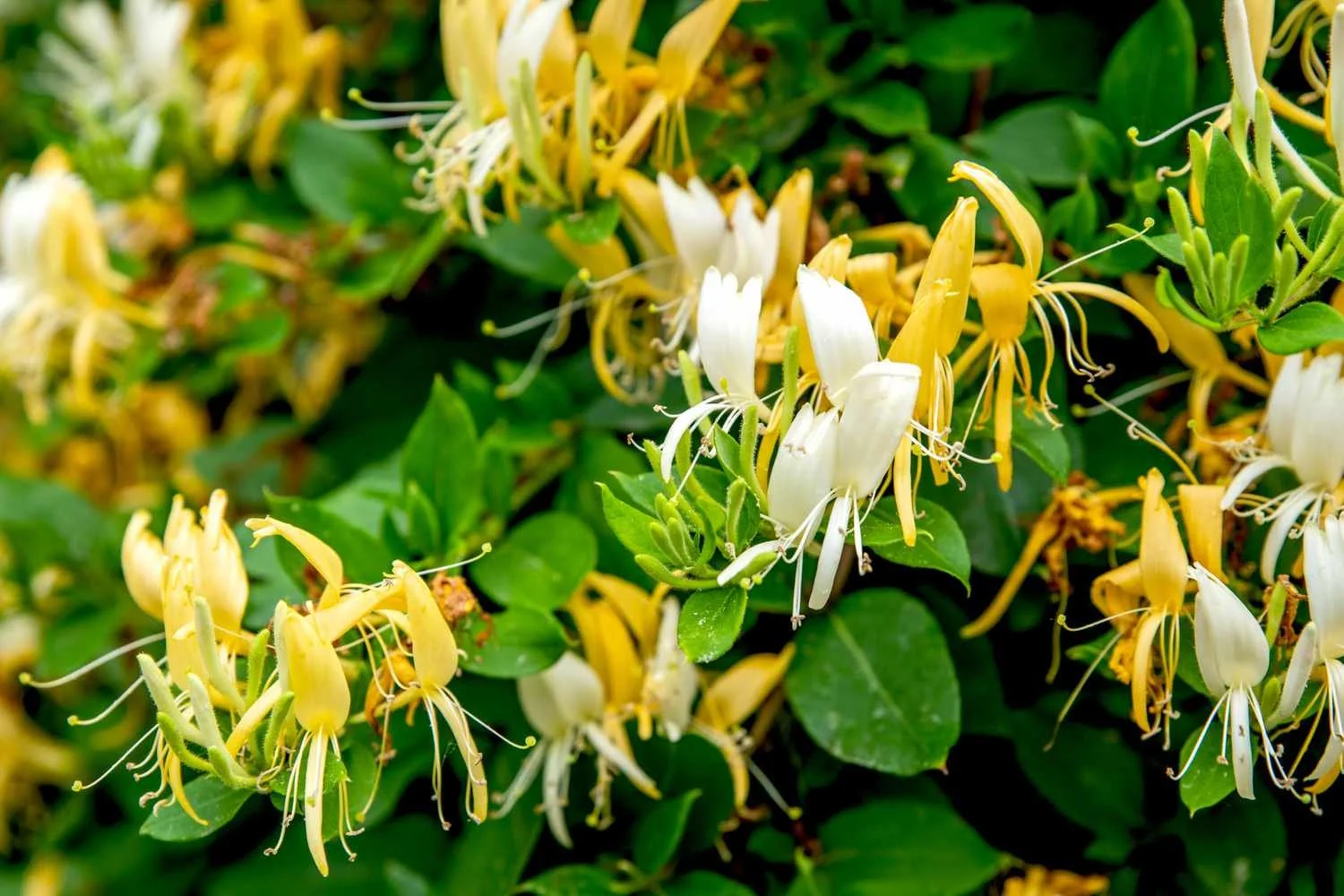
Japanese Honeysuckle
Japanese Barberry
Multiflora Rose
Japanese Knotweed
Winged Euonymus (Burning Bush)
Common/Glossy Buckthorn
Phragmites
Autum Olive
Bradford Pear
Oriental Bittersweet
We offer mechanized invasive plant control using excavators to uproot and dispose of the whole plant. It’s an effective herbicide-free strategy for restoring native habitat by removing woody invasive plants. By excavating entire root crowns and larger lateral rhizomes rather than simply cutting stems, machinery prevents rapid resprouting and reduces the seed bank inputs that perpetuate invasions; care in operator technique and machine selection minimizes soil disturbance and compaction.
Invasive plants like Japanese Barberry, Multiflora Rose, and Oriental Bittersweet create dense, humid microhabitats that support high tick populations. Removing these invasive’s reduces shelter and debris where ticks quest, lowers rodent hosts that carry pathogens, and helps native vegetation recover—restoring a drier, less hospitable environment for ticks. Eliminating invasive plants is a proactive, landscape-scale step to reduce tick exposure while supporting ecosystem health.
It is important to understand with mechanized removal follow-up monitoring for missed roots or resprouts is essential to achieve successful restoration outcomes without chemical inputs.
Targeted species:
Japanese Honeysuckle
Japanese Barberry
Multiflora Rose
Japanese Knotweed
Winged Euonymus (Burning Bush)
Common/Glossy Buckthorn
Phragmites
Autum Olive
Bradford Pear
Oriental Bittersweet